This article provides a comprehensive overview of a specialized training program in Eye Movement Desensitization and
Reprocessing (EMDR) therapy designed specifically for first responder clinicians. It explores the expertise of the renowned
complex trauma specialist Roger Solomon delves into the principles of EMDR therapy and highlights its unique benefits
for first responders.
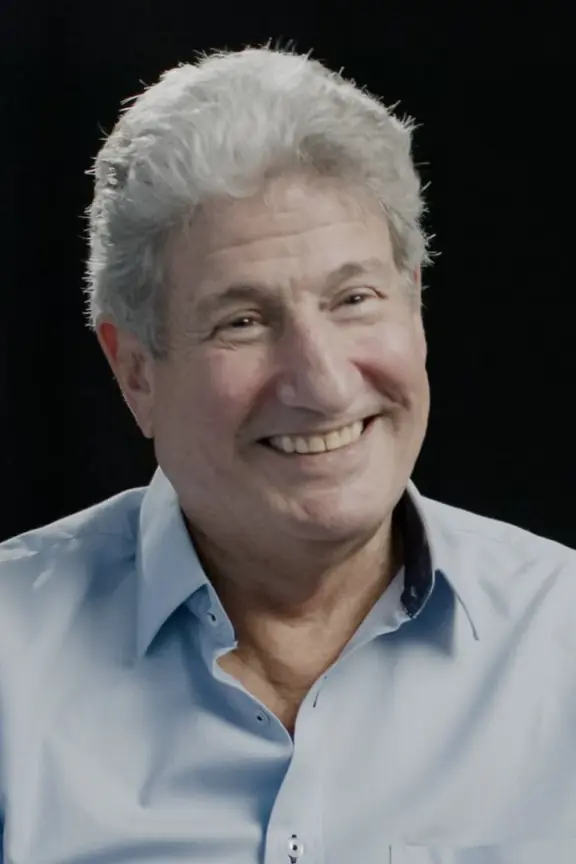
Who is Roger Solomon?
Roger Solomon is a world-renowned trauma specialist with extensive
experience in treating complex trauma in first responders. His expertise in EMDR therapy, coupled with his deep understanding of the unique challenges faced by first responders, makes him a highly sought-after trainer and clinician. Solomon’s dedication to empowering first responders with effective coping mechanisms and trauma-informed care is reflected in his impactful training programs.
What is EMDR Therapy?
EMDR therapy is a psychotherapy approach that uses bilateral stimulation, such as eye movements, to help process and re-regulate traumatic memories. This therapy aims to reduce the emotional distress associated with traumatic experiences and foster emotional healing. Through a series of guided steps, individuals are guided to confront distressing memories while engaging in bilateral stimulation, allowing their brains to process and integrate these memories in a more adaptive way.
Why is EMDR Therapy Valuable for First Responders?
First responders are often exposed to highly stressful and traumatic events, leading to potential psychological distress and burnout. EMDR therapy provides a valuable tool for helping first responders process and heal from traumatic experiences, reducing the risk of long-term mental health issues. It allows individuals to develop healthier coping mechanisms, reduce anxiety and depression, and improve overall well-being. The therapy is specifically designed to address the unique needs and challenges faced by first responders.
Course Objectives and Learning Outcomes
This specialized training program in EMDR for first responder clinicians aims to equip participants with the knowledge,
skills, and tools necessary to confidently and effectively implement EMDR therapy with their clients. Upon completion,
participants will be able to:
- Gain a comprehensive understanding of the principles and theory of EMDR therapy.
- Develop proficiency in the eight phases of EMDR therapy, including preparation, assessment, and desensitization.
- Learn how to tailor EMDR interventions to address first responder clients’ specific needs and challenges.
- Enhance their ability to recognize and address the potential impact of trauma on first responders.
- Develop strategies for self-care and stress management to mitigate the vicarious trauma experienced by first responders.
Course Structure and Curriculum
The course is structured to provide a comprehensive and interactive learning experience. It combines didactic instruction with experiential exercises and group discussions. The curriculum includes:
- An in-depth overview of EMDR therapy and its theoretical foundations.
- Step-by-step instruction on the eight phases of EMDR therapy.
- Case studies and real-life examples demonstrating the application of EMDR with first responder clients.
- Practical exercises and role-playing to enhance clinical skills.
- Strategies for self-care and stress management for first responders.
Participant Eligibility and Prerequisites
This course is designed for licensed mental health professionals, such as psychologists, counselors, and social workers, who are actively working with first responders. Prerequisites for the course include:
- A current, valid license to practice in the relevant field.
- Experience working with first responders or other populations experiencing trauma.
- A basic understanding of trauma-informed care principles.
Participants are encouraged to have a solid understanding of mental health diagnoses and treatment approaches relevant to first responders.
Course Dates
December 6th – 8th, 2025